So you’re managing a commercial property, and its parking lot has seen better days. Do you choose the sleek, modern look of concrete, or go with the durable, budget-friendly flexibility of asphalt?
This is the decision many property owners face when considering asphalt vs concrete for their paving projects, whether it’s a parking lot, road, or driveway. Both materials are popular for commercial, municipal, and residential applications, each offering distinct benefits depending on your needs.
In this guide, we’ll take you through the key differences between asphalt and concrete, covering everything from cost and lifespan to performance and ideal use cases. By the end, you’ll be equipped with the knowledge you need to make the best decision for your next paving project.
Table of Contents
What Are Asphalt and Concrete?
Before diving into the differences between asphalt and concrete, let’s quickly go over what each material actually is.
Asphalt is made from a mix of petroleum-based products, aggregates, and bitumen, creating that flexible, dark surface we’re all familiar with. This makes it ideal for areas that need to withstand constant wear and tear while remaining flexible enough to absorb small stresses without cracking.
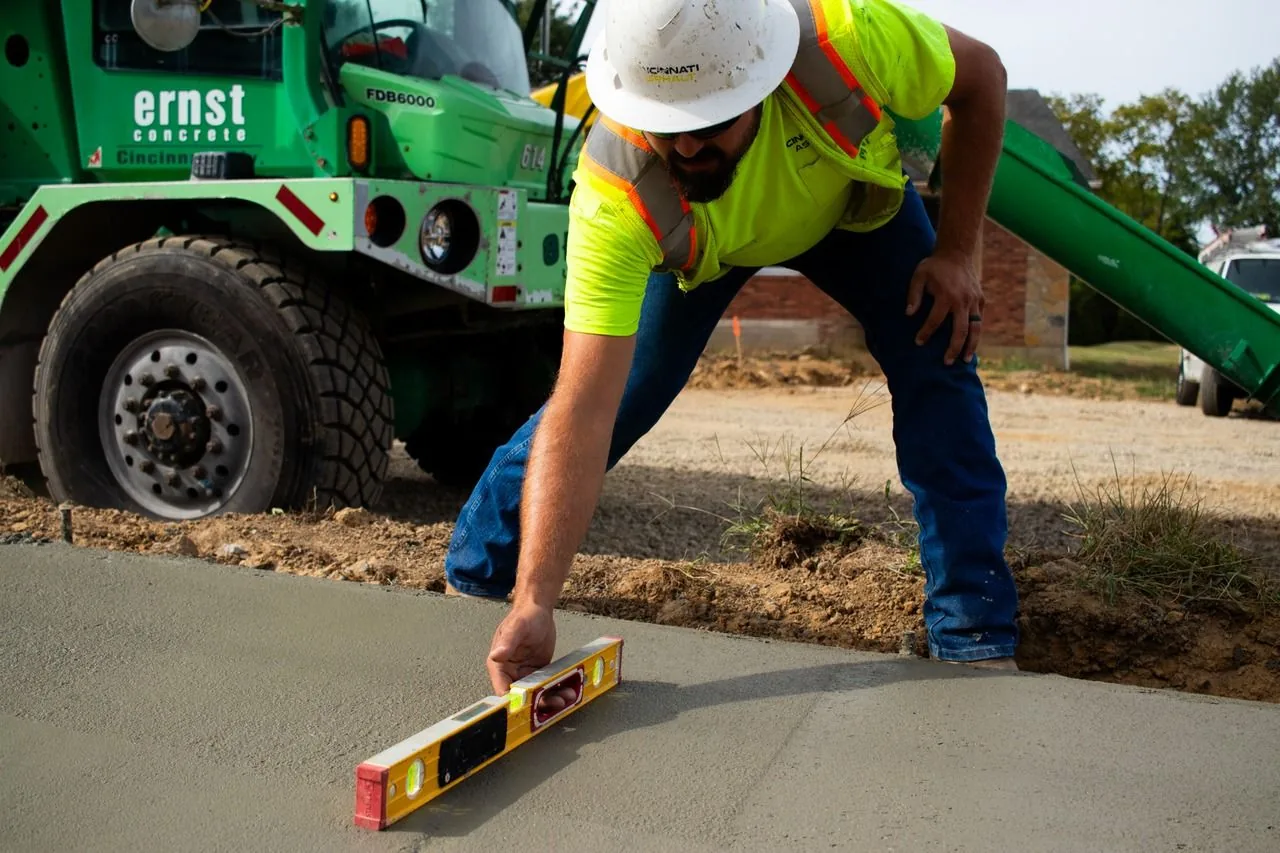
Concrete, made from cement, water, and aggregates, hardens into a solid, rigid surface. It’s super strong and built to last, but its stiff nature can make it crack when the soil beneath shifts.
Both materials are used in various paving applications, from roads and parking lots to driveways and commercial spaces. Understanding their basic makeup gives us a good starting point for exploring their differences.
Similarities Between Asphalt and Concrete
Asphalt and concrete might seem like night and day, but they actually have a lot in common, making them both solid choices for your next paving project:
- Require a Solid Sub-Base: Whether it’s asphalt or concrete, a well-prepared foundation is crucial for long-lasting durability. Without it, even the best surfaces can wear down prematurely.
- Ideal for High-Traffic Areas: Both materials are strong enough to handle heavy loads, making them perfect for streets, parking lots, and driveways that get a lot of use.
- Routine Maintenance is Key: Asphalt typically needs sealcoating every few years, while concrete may require crack repairs and sealing to protect against moisture damage.
- Recyclable: When their lifespan is over, asphalt and concrete can be repurposed, making them environmentally friendly paving options.
While asphalt and concrete share a lot of common ground, it’s the differences that will help you decide which material is the right fit for your project.
Key Differences Between Asphalt and Concrete
Now that we’ve covered the similarities, let’s take a look at the key differences between asphalt and concrete to help you figure out which one is the better fit for your project.
Composition & Appearance
Asphalt is typically dark or black and offers a flexible surface that can absorb small stresses without showing wear too quickly.
Concrete, on the other hand, is usually gray and rigid. While it’s incredibly durable, its lack of flexibility can make it more prone to cracking as conditions change over time.
Installation & Cure Time
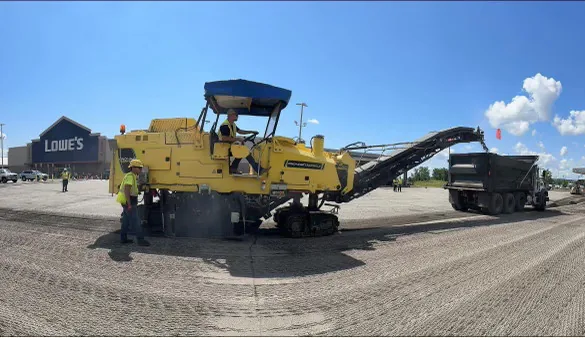
Asphalt has a quick turnaround, usually ready for use within 1–3 days after installation. This makes it ideal for projects that require minimal downtime, such as parking lots or streets.
Concrete takes a little longer, needing 7–10 days to fully cure before it can handle heavy traffic. This makes it less ideal if you need to open the area up quickly.
Temperature Performance
Asphalt does well in colder climates, thanks to its ability to flex during freeze-thaw cycles. This makes it a solid choice for places like the Midwest, where temperatures can fluctuate drastically.
Concrete, though, can crack in freeze-thaw conditions, but it shines in hot climates, staying stable even during extreme heat. Both materials can be affected by temperature changes, but asphalt tends to handle the cold a little better.
Lifespan
Asphalt usually lasts around 20–30 years with proper maintenance. It’s cheaper to install and repair, but you’ll need to stay on top of routine care to keep it in good shape.
Concrete has a longer lifespan—typically 30–50+ years if properly maintained. It’s tougher and less prone to wear and tear, but repairs can be more expensive and noticeable when needed.
Appearance & Decorative Options
Concrete offers many customization options, including stamped, colored, or exposed aggregate finishes. This can help it blend nicely into aesthetic designs or commercial settings.
Asphalt, in contrast, has a more uniform, dark appearance. While it doesn’t offer the same range of design options, it can be refreshed with sealcoating to keep it looking sleek and consistent.
Cost Comparison: Is Asphalt Cheaper Than Concrete?
When it comes to cost, asphalt is generally the more affordable option upfront, making it a budget-friendly choice for projects with limited funds. Concrete, on the other hand, tends to have a higher initial cost but can be more cost-effective over time. This is because concrete requires fewer repairs and has lower long-term maintenance needs.
In comparison, asphalt requires periodic sealcoating every 3–5 years and crack repairs, which can add up over time. While asphalt may save you money right off the bat, don’t forget to factor in the long-term costs of both options. Ultimately, whether asphalt or concrete is the more cost-effective choice depends on your project’s short-term and long-term needs.
Pros and Cons of Asphalt Paving
Pros
Cons
Lower Upfront Installation Cost: Asphalt is more affordable to install compared to concrete.
More Upkeep: Asphalt needs periodic sealcoating and crack repairs to maintain its appearance and longevity.
Faster Installation and Cure Time: Asphalt projects typically take less time, allowing businesses to resume operations quickly.
Can Soften in Extreme Heat: Asphalt may become soft in high temperatures, which can affect its durability.
Easier to Repair: Asphalt can be patched easily and is more affordable to repair than concrete.
Urban Heat Island Effect: Asphalt absorbs heat, raising temperatures in urban areas.
Performs Well in Cold Climates: Asphalt’s flexibility allows it to withstand freeze-thaw cycles without cracking.
Shorter Lifespan: If not properly maintained, asphalt can last a shorter time than concrete.
Pros and Cons of Concrete Paving
Concrete might cost more upfront, but it packs a punch when it comes to durability and versatility. Here’s what to consider:
Pros
Cons
Longer Lifespan: Concrete can last much longer than asphalt, often 30–50+ years with proper care, making it a great long-term investment.
Higher Upfront Cost: Concrete tends to be more expensive to install than asphalt, mainly due to material costs and longer curing times.
Lower Long-Term Maintenance: Unlike asphalt, concrete doesn’t require frequent sealcoating or crack repairs.
Longer Cure Time: Concrete requires a curing period of 7–10 days before it can be used, which means longer wait times before the area is ready for traffic.
Strong & Rigid Surface: Concrete is a more rigid material, which makes it perfect for heavy-duty applications like industrial areas or places with heavy machinery.
Cracking in Freeze-Thaw Conditions: While concrete performs well in heat, it can crack under freeze-thaw conditions, which makes it less ideal for colder climates.
More Decorative Options: Concrete can be stamped, colored, or finished with exposed aggregate, offering more aesthetic options for those looking for a custom look.
Expensive Repairs: When concrete does crack, repairs are more costly and harder to hide. Unlike asphalt, which can be patched up fairly easily, concrete repairs are often visible and require professional attention.
Asphalt vs. Concrete: Best Use Cases
When you are at the crossroads between either asphalt or concrete, it’s all about the use case. Both materials have their strengths, and knowing where each one shines can help you make the right choice for your project.
Roads & High-Traffic Areas
Asphalt is the go-to choice for roads and highways due to its cost-effectiveness, quick installation, and performance in cold climates. Its flexibility, particularly in places like Cincinnati, where freeze-thaw cycles can damage concrete, gives it a distinct advantage.
On the other hand, concrete is preferred for bridge decks and intersections, where long-term durability and strength are crucial for handling heavy traffic over decades.
Parking Lots
Both asphalt and concrete are used in commercial parking lot paving, but there’s a difference in preference based on project goals. Asphalt parking lots tend to be more cost-effective since they are so popular for budget-focused areas like large commercial lots.
On the other hand, concrete parking lots are more ideal when longevity or aesthetics are the focus. Concrete lasts much longer while retaining its refined look, which is great for businesses in customer-facing locations.
Industrial / Heavy Load Areas
When it comes to areas that will support heavy machinery or intense industrial use, concrete is the better choice. Its rigidity makes it ideal for areas where heavy trucks or forklifts need a durable, strong surface. It’s also more resistant to chemical exposure, which can be a concern in industrial environments.
Sports & Specialty Surfaces
For sports courts and other specialty surfaces, asphalt is the way to go. It’s a great base material for courts because it can be easily resurfaced, affordable to install, and provides a smooth, even playing surface. Asphalt is commonly used as the base for sports courts, and it can be topped with coatings for specific sports like tennis or basketball.
Which Material Is Right for Your Commercial Paving Project?
Choosing between asphalt and concrete depends on a few key factors. Here are the questions you should ask yourself to help make the best decision:
- What’s your budget? Asphalt generally has a lower upfront cost, but concrete could save you money in the long run with its longer lifespan and lower maintenance needs.
- How long do you need it to last? Concrete tends to outlast asphalt, so if you’re looking for a surface that will stand the test of time, concrete might be your best bet.
- What climate conditions will it face? If your project is in a cold climate, asphalt might perform better due to its ability to flex during freeze-thaw cycles. On the other hand, concrete works better in hot climates, where asphalt can soften.
- What’s the intended use? If you need a surface that can handle heavy loads, like an industrial site, concrete is more durable. For high-traffic commercial areas or quick installations, asphalt may be the way to go.
- How quickly do you need it open to traffic? Asphalt can be used much sooner than concrete, so if you’re in a rush to get your surface operational, asphalt might be your best option.
Get Expert Guidance From Cincinnati Asphalt
When it comes to paving your property, both asphalt and concrete offer unique advantages. Whether you’re after a quick, cost-effective solution with asphalt or a long-lasting, durable investment with concrete, Cincinnati Asphalt is here to help you make the right choice.
We offer both asphalt and concrete paving services across Greater Cincinnati, Southeast Indiana, and Northern Kentucky. Our team of experts is ready to guide you every step of the way, ensuring your project is completed efficiently, on time, and to the highest standards.
Ready to get started? Request a free quote today and let us help you choose the right material for your project.