Winter doesn’t just stress your pavement – it exposes its weakest points. Cold temperatures, moisture, and repeated freeze-thaw cycles work together to accelerate existing issues, turning small defects into safety hazards and costly repairs if they go unnoticed.
By understanding the most common pavement problems that occur during winter and knowing what signs to watch for, property owners can take proactive steps to protect their pavement, reduce liability risks, and avoid expensive emergency repairs.
Why Winter Is So Tough on Pavement
During the winter months, pavement is exposed to harsh conditions that can quickly break down its structure. Moisture seeps into cracks and joints, freezing temperatures cause that moisture to expand, and traffic places additional stress on already weakened areas. As this cycle repeats, pavement deterioration accelerates.
Even minor imperfections can worsen rapidly, making winter one of the most critical times to monitor pavement conditions closely.
Common Winter Pavement Failures to Watch For
Here are some of the most frequent pavement issues that develop or worsen during winter:
Expanding Cracks
Small cracks may seem insignificant, but when water enters and freezes, it expands, forcing the cracks wider and deeper. Each temperature swing worsens the damage, eventually leading to structural failure if left untreated.
Pothole Formation
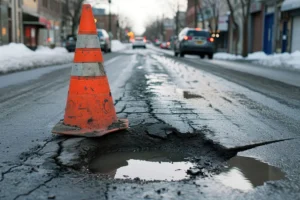
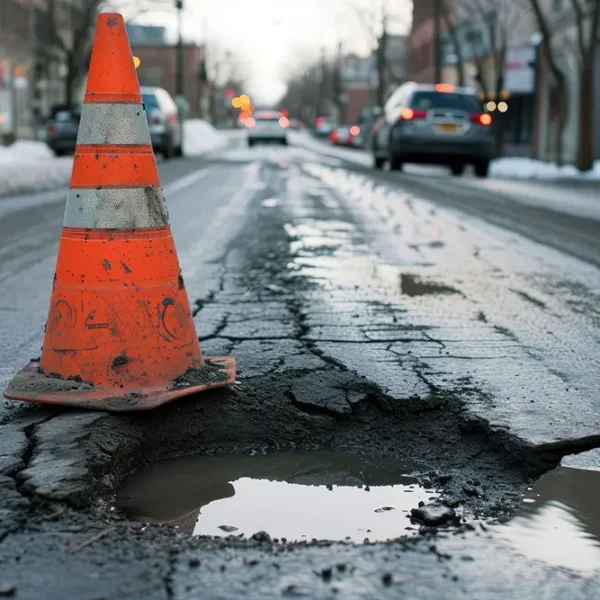
Potholes often begin as minor surface defects. When moisture and freezing conditions weaken the pavement base, traffic can quickly break these areas apart, creating hazards for vehicles and pedestrians.
Surface Raveling
Freeze-thaw cycles and winter traffic can cause asphalt to lose its aggregate, resulting in a rough, crumbling surface. Raveling reduces traction, affects appearance, and accelerates overall pavement deterioration.
Standing Water and Ice
Poor drainage allows water to collect on pavement surfaces. During winter, this standing water freezes, creating dangerous slip hazards and contributing to further pavement breakdown. Persistent pooling also signals underlying drainage or base issues.
Edge Breakdown
Pavement edges are particularly vulnerable in winter. When water infiltrates along the edges and freezes, it can cause crumbling, cracking, and erosion, leading to larger areas of pavement failure.
Why Early Detection Makes a Difference
Catching winter damage in its early stages allows for quicker, more affordable repairs and helps prevent small problems from escalating. Proactive maintenance improves safety, minimizes operational disruptions, and extends the overall lifespan of your pavement.
Regular inspections throughout the winter season ensure that developing issues are addressed before they compromise your pavement’s structural integrity or create safety concerns.
Protect Your Pavement This Winter
At Cincinnati Asphalt, we help property owners identify and address winter pavement damage early through professional inspections, patching, and preventative repairs. Our proactive approach ensures your surfaces remain safer, stronger, and more reliable throughout the colder months.
By addressing winter damage early, you protect not only your pavement but also your visitors, employees, and long-term investment.
Stay Ahead of Winter Damage
Winter conditions may be unavoidable, but costly pavement repairs don’t have to be. If your pavement hasn’t been inspected recently—or if you’re noticing signs of deterioration—now is the time to act.