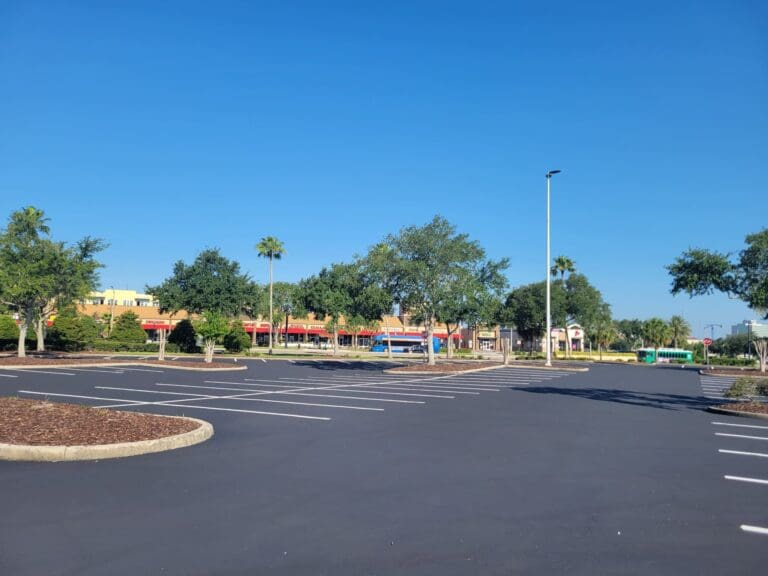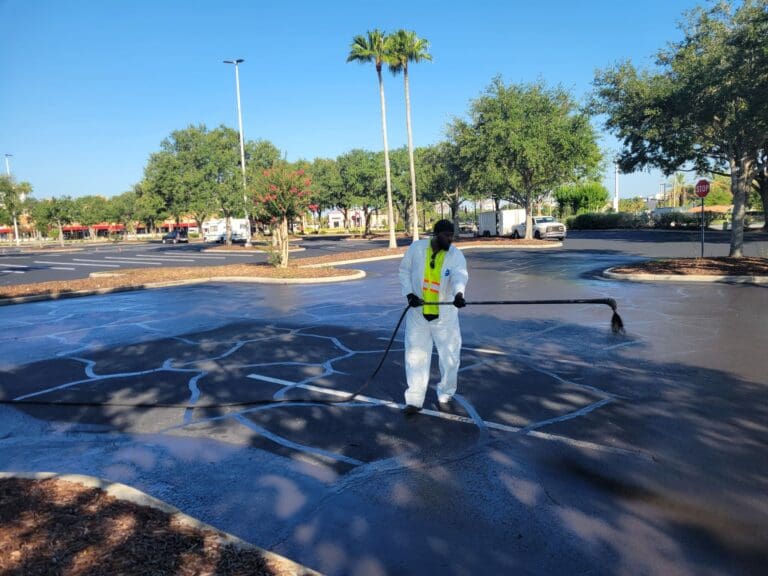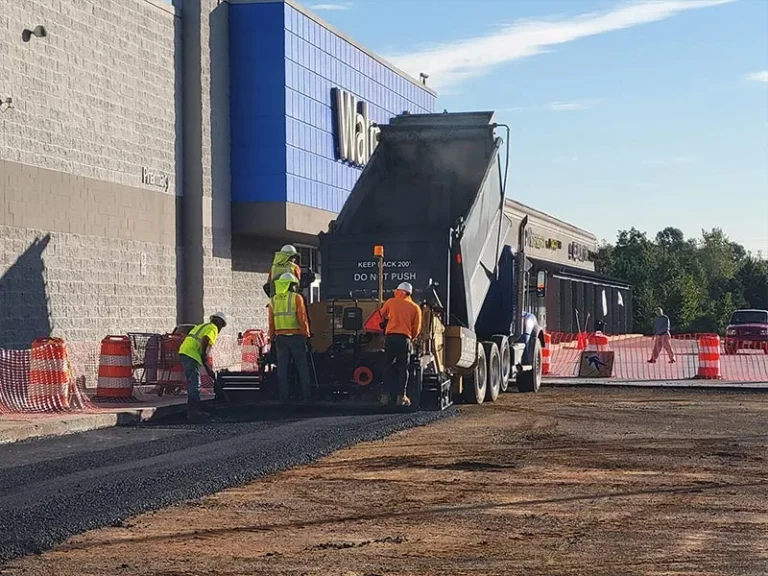
Most commercial pavement— including parking lots, access drives, loading areas, and walkways—doesn’t fail because of poor materials. They fail because there’s no maintenance plan in place. Without a consistent maintenance schedule, small surface issues gradually grow into costly repairs and full pavement replacements.
At Cincinnati Asphalt, we want to make sure your pavement is set up for success. This guide covers how to create a practical parking lot maintenance schedule for commercial properties. This includes inspections, repairs, preventive treatments, and budgeting, so you can keep your pavement looking fresh and avoid expensive replacements.
Table of Contents
Why a Maintenance Schedule Matters More Than Reactive Repairs
For most commercial properties, the biggest pavement expenses happen when maintenance is delayed too long. Property managers often wait until cracks widen or potholes appear before addressing the problem.
By that point, the repair costs increase significantly.
Preventive asphalt parking lot maintenance helps protect your pavement before structural damage begins. According to the Federal Highway Administration, preventive pavement maintenance can cost a fraction of major rehabilitation or full replacement and prevent small issues from becoming structural failures.
A well-maintained asphalt parking lot can last 25–30 years with consistent preventive maintenance. Without a schedule, the same pavement may need to be replaced in 12–15 years, cutting its lifespan nearly in half.
Reactive parking lot repairs also create more disruption for tenants, employees, and customers. Emergency repairs often require unexpected closures or temporary traffic rerouting. In comparison, scheduled maintenance allows property managers to plan work during slower periods and coordinate projects across multiple paved areas.
The Core Services Every Commercial Pavement Maintenance Schedule Should Include
A complete commercial parking lot maintenance plan should address every paved surface on your property, not just the main parking lot. Access drives, loading areas, fire lanes, and walkways all experience wear and require regular inspection.
Here are some of the core services most properties should include in their maintenance schedule:
| Maintenance Service | Recommended Frequency |
|---|---|
| Pavement Condition Inspection | Twice yearly — spring and fall; covers all paved surfaces |
| Crack Sealing — Parking Lots | Annually, or when cracks reach 1/4 inch |
| Crack Sealing — Access Drives & Loading Areas | Annually, more frequent under heavy truck traffic |
| Pothole Repair | As needed — repair immediately when identified |
| Sealcoating — Parking Lots | Every 2–3 years |
| Sealcoating — High-Traffic Pavement | Every 1.5–2 years for industrial or heavy-load surfaces |
| Line Striping & Pavement Markings | Every 2–3 years, always after sealcoating |
| ADA Compliance Check | After each maintenance cycle |
| Drainage & Catch Basin Inspection | Annually — critical before winter |
Areas with heavy truck traffic typically experience faster wear than standard parking lots and should be inspected and maintained more frequently.
How to Build Your Schedule — A Step-by-Step Approach
Creating a parking lot maintenance checklist for your property doesn’t need to be complicated. The key is developing a repeatable process that evaluates all paved areas and prioritizes repairs before preventive work begins.
1. Start With a Full Pavement Assessment
Walk every paved surface on the property. This includes the main parking lot, access drives, loading areas, fire lanes, and any shared walkways or breezeways.
During the inspection, look for visible cracks, drainage issues, faded markings, and signs of surface oxidation. A full pavement condition assessment establishes which areas need immediate repairs and which can be placed on a routine maintenance cycle.
2. Prioritize Repairs Before Preventive Work
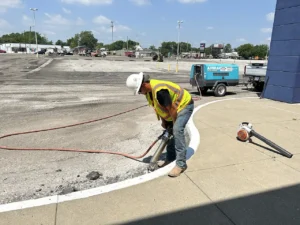
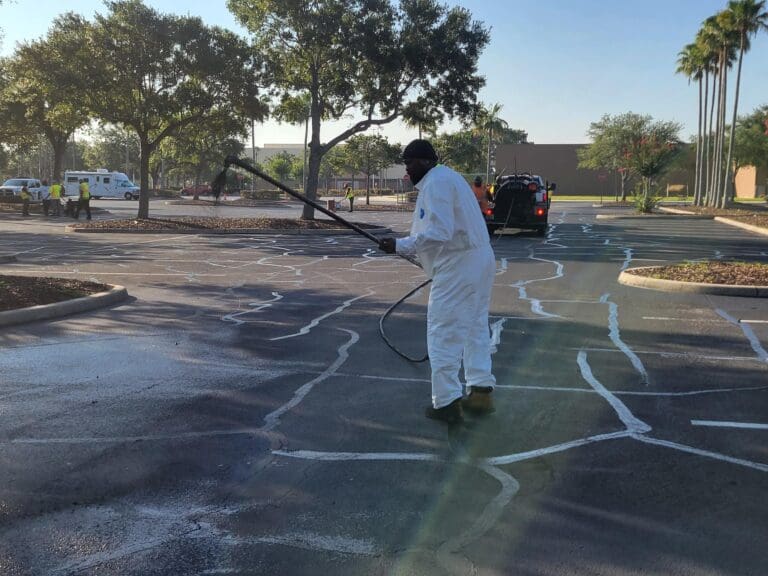
Asphalt repairs should always come before preservation. Pothole repairs, crack sealing, and structural fixes must be addressed before scheduling services like sealcoating.
Applying sealcoat over existing damage traps moisture beneath the surface and shortens the lifespan of the treatment. Addressing issues first ensures this protective layer lasts.
3. Schedule Sealcoating and Striping Together
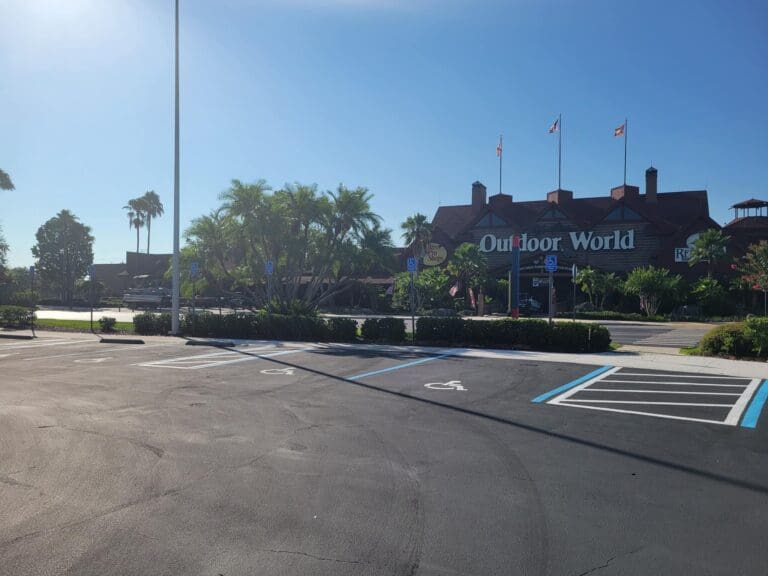
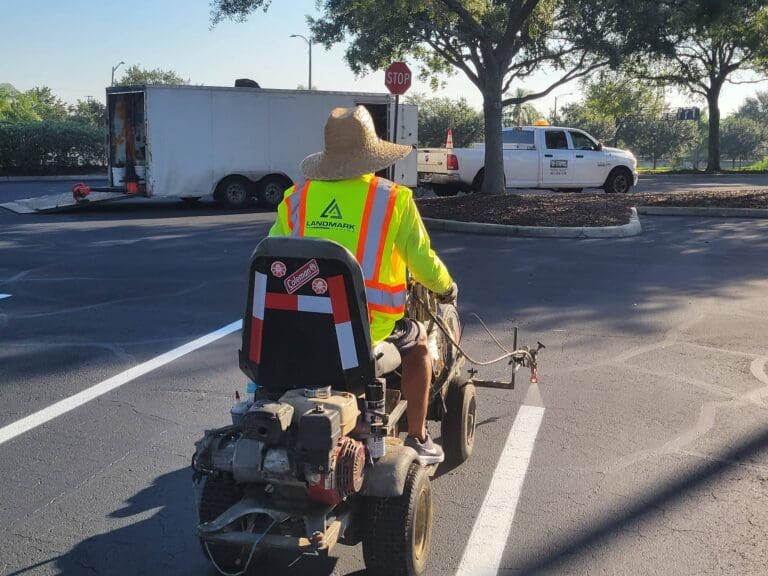
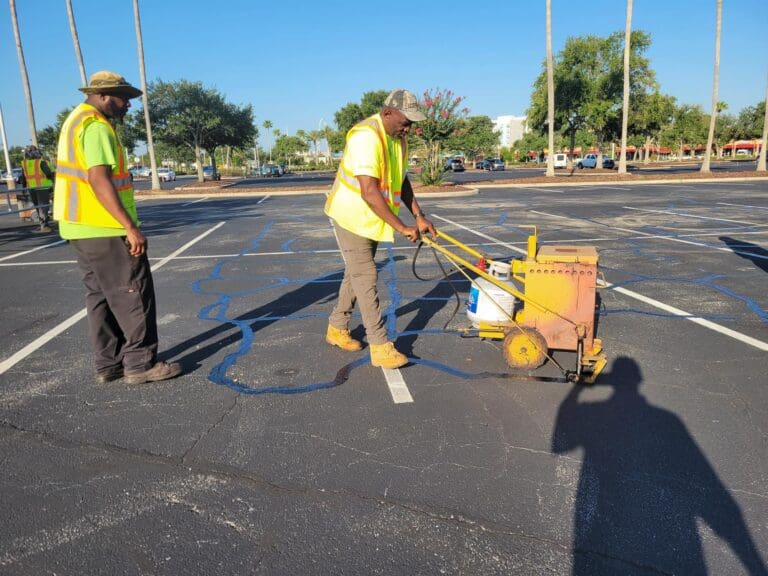
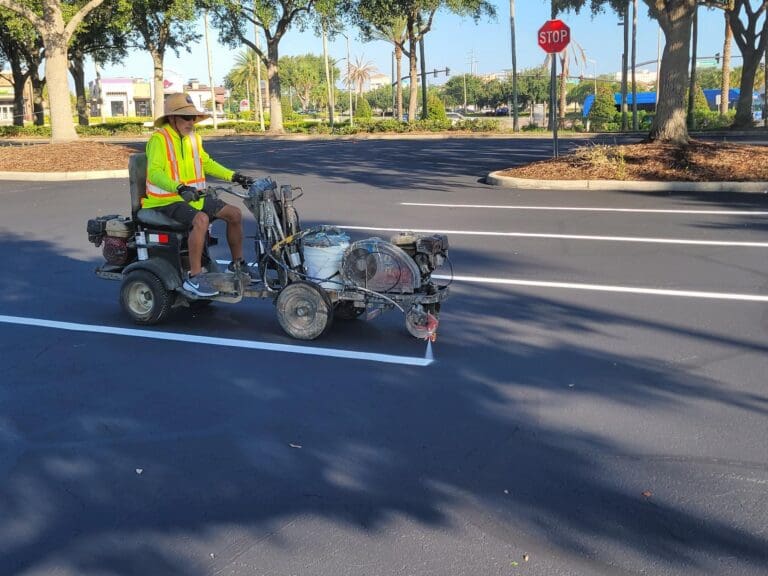
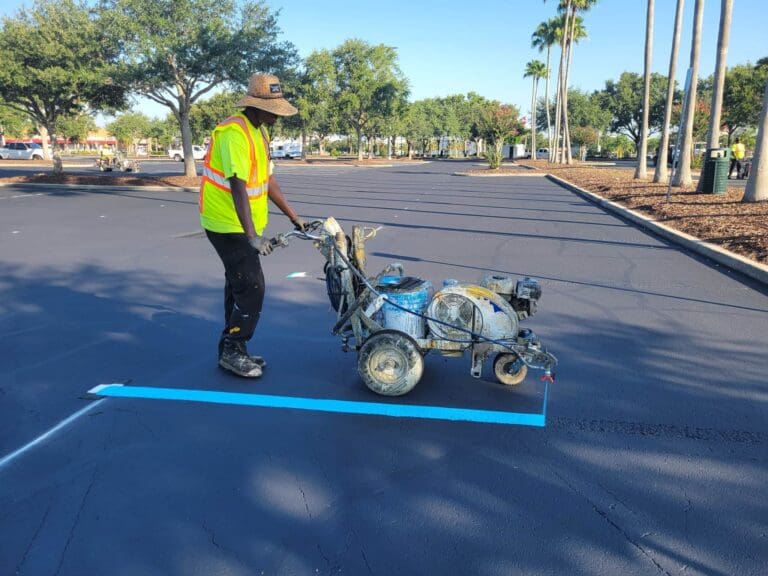
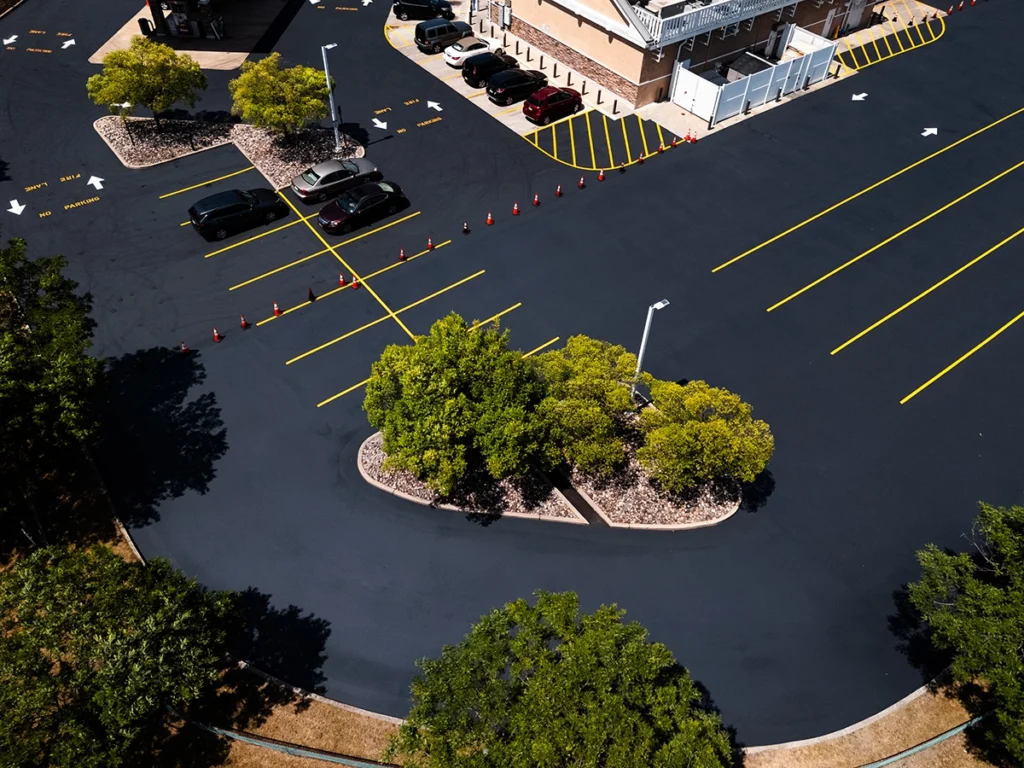
Sealcoating removes or covers existing pavement markings, which means parking lot striping must follow immediately afterward.
Coordinating both services in the same project window keeps parking spaces, traffic lanes, and ADA markings clear and compliant. This also helps reduce disruption across the property.
4. Time Your Work Around Ohio's Climate
Temperature and weather conditions play an important role in pavement maintenance. Sealcoating typically requires sustained temperatures above 50°F and dry conditions.
In the Cincinnati region, the most reliable window for parking lot sealcoating runs from late spring through early fall. Many properties schedule preventive maintenance in late summer so the pavement enters winter in good condition.
5. Prioritize by Surface Use and Condition
Not every paved area needs the same maintenance schedule.
For example, the main parking lot might follow a three-year sealcoating cycle, while a heavily trafficked loading area requires maintenance every 18 months. These schedules should reflect the level of traffic, load weight, and the overall condition of each surface.
6. Build a Three-Year Rolling Calendar
A multi-year plan helps you avoid unexpected costs. Map out repairs, inspections, and preventive maintenance for the next three years.
This plan may include:
- Immediate crack sealing and pothole repairs
- Annual inspections of all paved surfaces
- Scheduled sealcoating and striping cycles
- Drainage inspections and maintenance
You can also review and adjust the schedule each year based on the condition of your pavement.
7. Plan for Minimal Disruption
Maintenance work doesn’t need to disrupt daily operations if scheduled carefully.
Phasing projects by lot section or surface area allows parts of the property to remain open while work is completed elsewhere. Communicating timelines with tenants, customers, and staff in advance helps prevent confusion and maintain access.
Budgeting for Your Parking Lot & Pavement Maintenance Plan
Budgeting for asphalt parking lot maintenance should consider your entire property, not just a single paved surface. Parking lots, access drives, loading areas, and fire lanes all contribute to your overall maintenance schedule.
Preventive pavement maintenance typically averages $0.25–$0.50 per square foot annually when spread across a full maintenance schedule. This includes inspections, crack sealing, sealcoating, and striping.
Full pavement replacements, by comparison, often range from $3–$5 per square foot or more, depending on the structure and base conditions.
Properties with multiple paved areas can often reduce costs by bundling work through one contractor. Coordinated projects lower mobilization expenses and simplify scheduling.
You can also schedule maintenance in phases to spread the costs across multiple fiscal years, which is particularly useful for HOAs, municipalities, and multi-tenant properties.
Signs Your Pavement Is Already Behind Schedule
Even with the best intentions, maintenance sometimes gets delayed. Recognizing early warning signs can help prevent costly repairs later.
Common indicators that pavement maintenance is overdue include:
- Pavement surface turning gray or light brown, which is a sign of oxidation
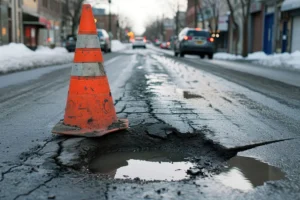
- Cracks wider than 1/4 inch or branching “alligator” cracking patterns
- Standing water after rainfall due to poor drainage
- Potholes appearing or growing
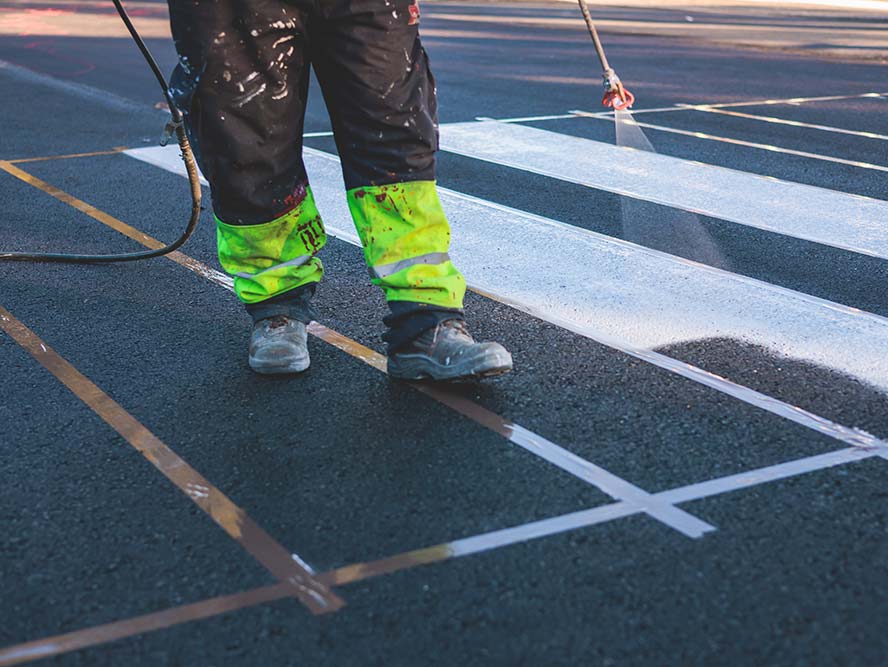
- Faded parking lines and traffic markings
- Sealcoating older than three years on the main lot or two years on heavy-use areas
- ADA markings are fading, or accessible routes are cracking
If any of these issues are visible on your property, repair costs are likely already increasing. A structured maintenance plan can help bring your pavement back onto a manageable schedule.
Ready to Build a Maintenance Plan for Your Cincinnati Property?
A reliable maintenance schedule starts with a thorough assessment of every paved surface on your property.
At Cincinnati Asphalt, we help property owners evaluate current pavement conditions, develop long-term maintenance plans, and complete repairs and preventive work using experienced in-house crews. With one contractor managing inspections, maintenance, and repairs, your pavement is protected year-round with minimal disruptions.
Schedule an estimate today and start building your parking lot maintenance checklist.